- Email us: info@cachet-travel.co.uk
- Call us: 020 8847 8700
In spite of its name, Gran Canaria is actually only the third-largest of the Canary Islands, after Tenerife and Fuerteventura. But so diverse are the island's attractions, and so majestic some of the landscapes, that it is easy to see how the Spanish conquerors came to christen it the "Great Canary Island", and even today it is often referred to as a continent in miniature.
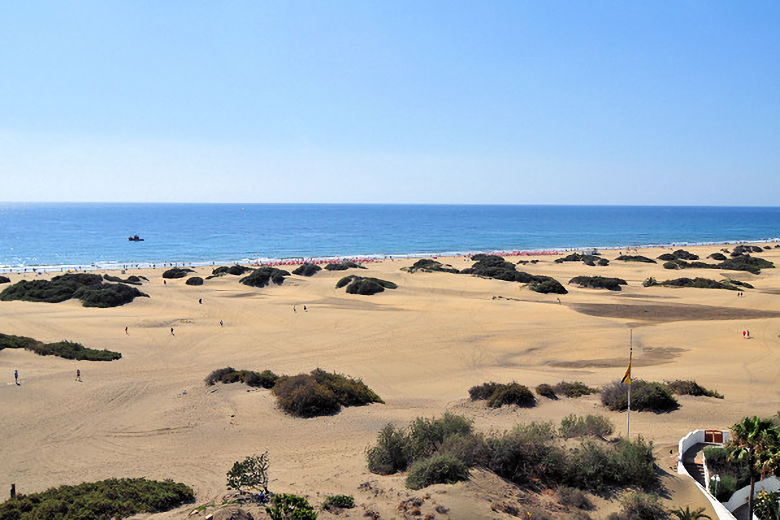
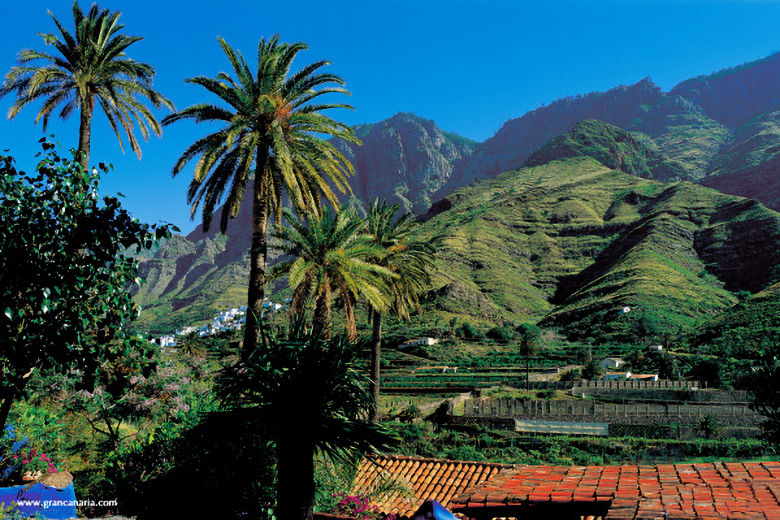
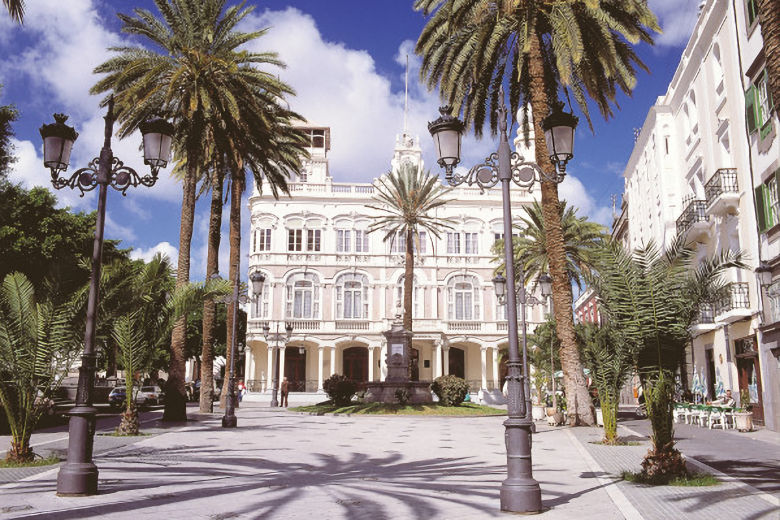
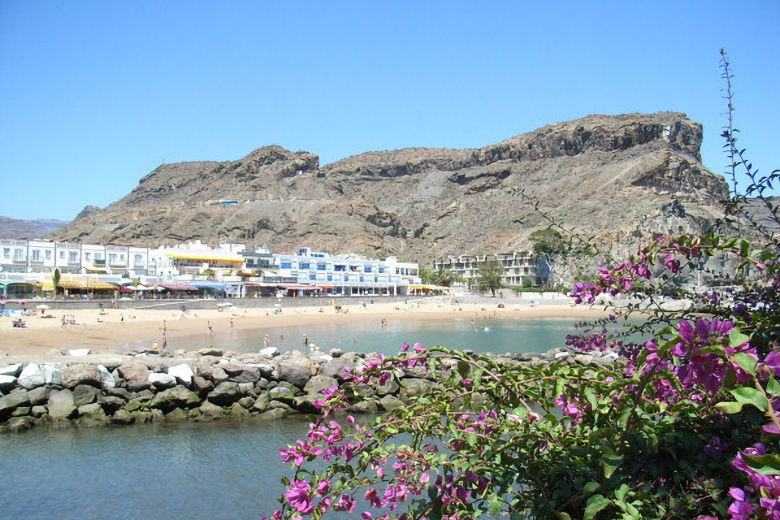
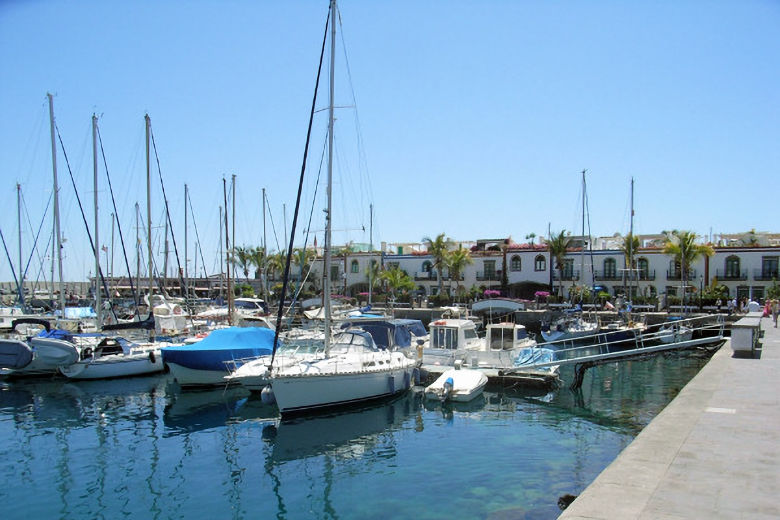
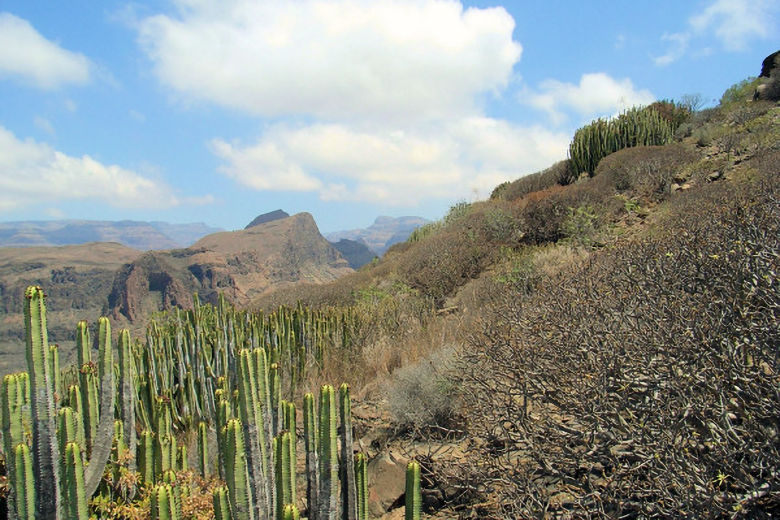
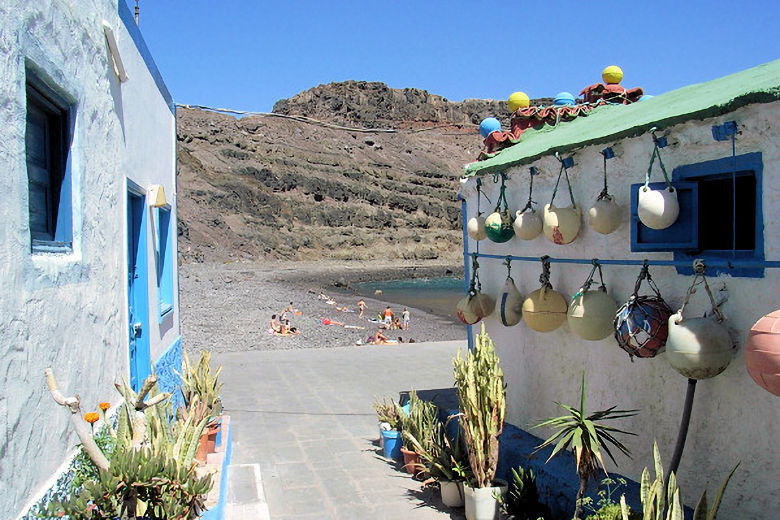
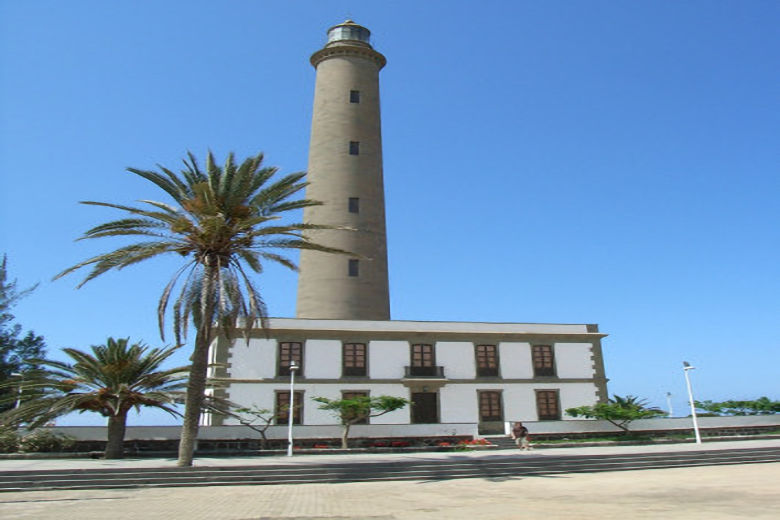
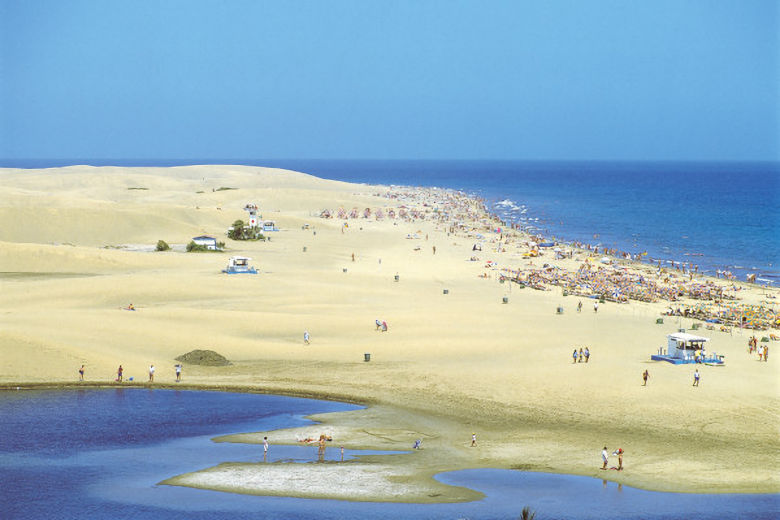
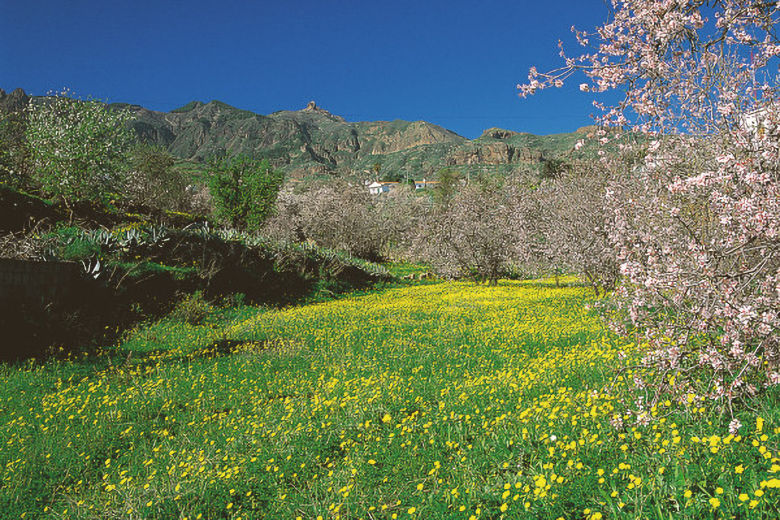
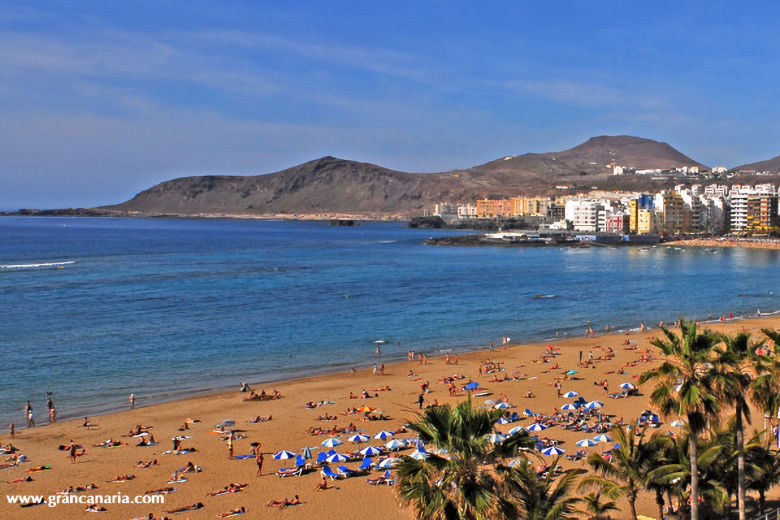
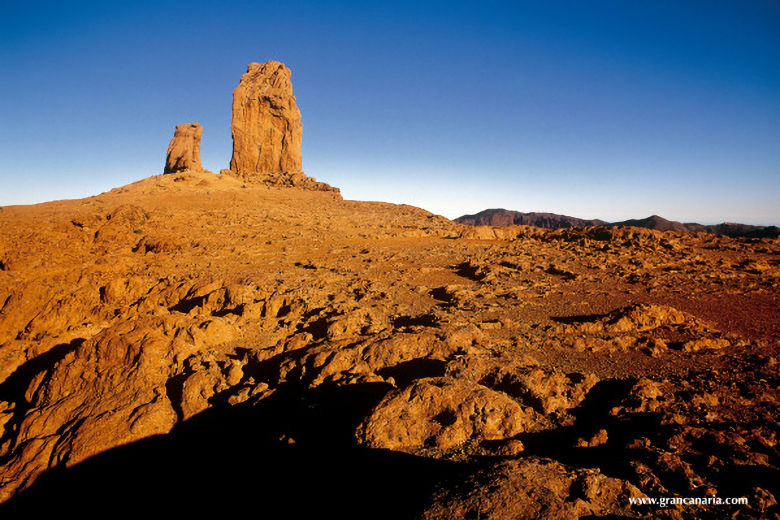
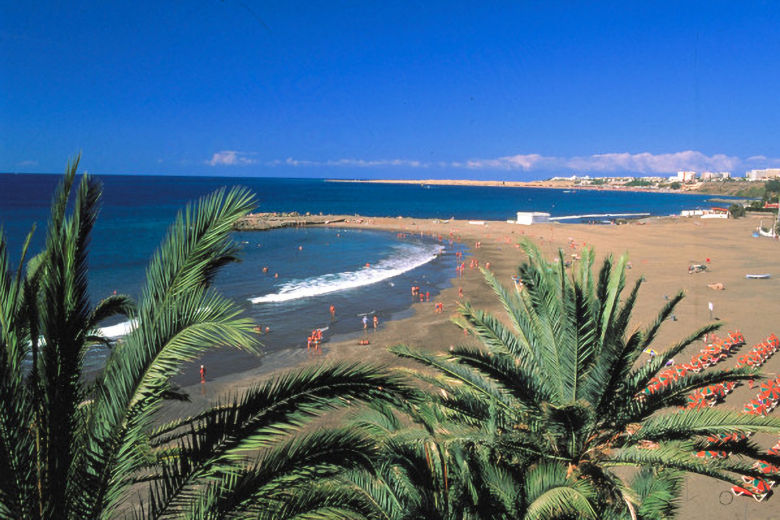
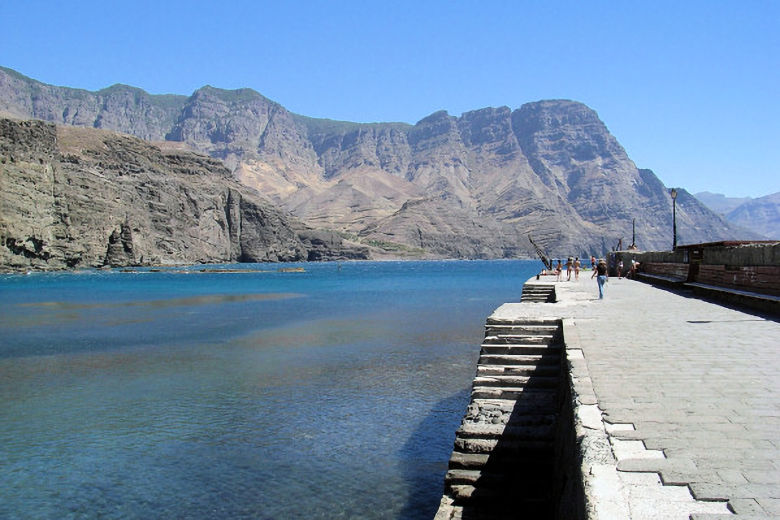
Craggy mountains are cut through by deep ravines, lush vegetation in the north contrast with barren barrancos in the south, and the coast veers from towering, near-vertical cliffs to vast swathes of soft golden sand, sculpted by the Atlantic breezes into dunes of Saharan proportions. Each island in the Canaries has its own appeal, but some would argue that Gran Canaria is the most versatile of them all, offering something for virtually all tastes.
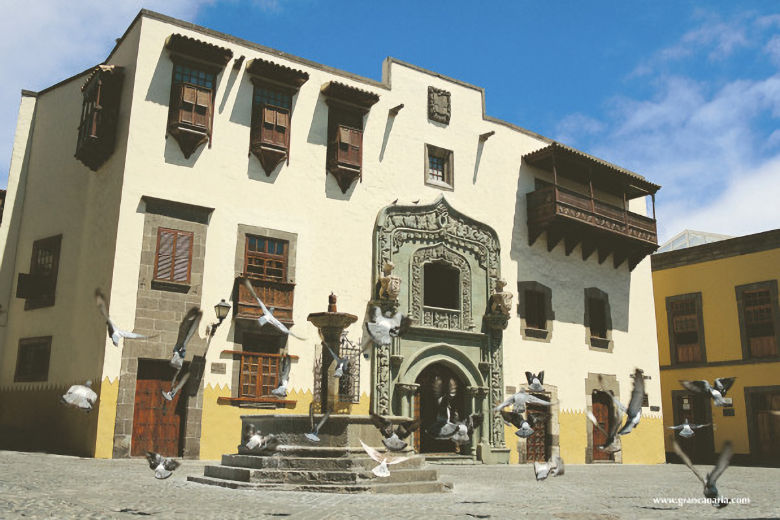
Set in the island's north-east corner, Gran Canaria's capital, Las Palmas, is the largest city in the archipelago, and one of the ten biggest in all of Spain. An important trading port since the days of the discoveries, Las Palmas today is a busy city with superb shopping facilities, a vibrant cultural scene and an excellent town beach - Playa de las Canteras - that is often likened to Rio's Copacabana.
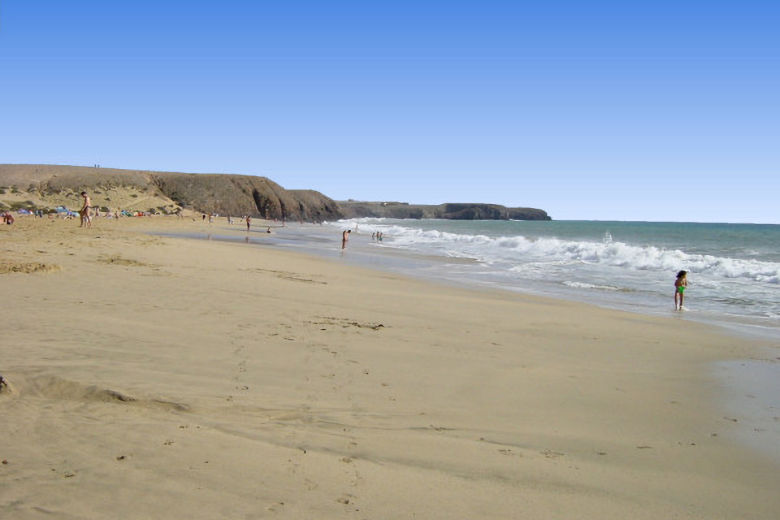
Beach lovers from all over Europe, however, tend to head straight to the island's deep south, an area that was scarcely populated until the 1960s, as the primarily hot and dry microclimate made the land difficult to farm, but which has since become one of Spain's largest beach resorts, thanks mainly to that very climate, and to the magnificent sandy beach that runs for several miles along the south coast. Whilst this area will not suit those seeking quaint villages or historic character, the "Costa Canaria" caters to a wide range of holidaymakers, from young families to retirees spending the whole winter months evading the harsher climes of northern Europe. At the eastern end, where the beach is a little darker and narrower, San Agustin was the first area to be developed, and today mainly appeals to more mature travellers seeking a relaxed beach holiday. Neighbouring Playa del Ingles is the largest and liveliest part, renowned for its diverse nightlife, including an extensive gay scene in the area around the Yumbo commercial centre. But even Playa del Ingles has relatively peaceful neighbourhoods, and makes a convenient and affordable base from which to enjoy the beach and the famous Maspalomas sand dunes, which are as appealing to naturalists for their unique ecosystem as they are to naturists for the privacy they afford (a sizeable stretch of the beach between Playa del Ingles and Maspalomas has been designated an official nudist beach). To the west of the dunes, Maspalomas itself is the more upmarket district, consisting primarily of 4 and 5-star hotels, a promenade lined with designer boutiques, a few clusters of private apartments and two golf courses.
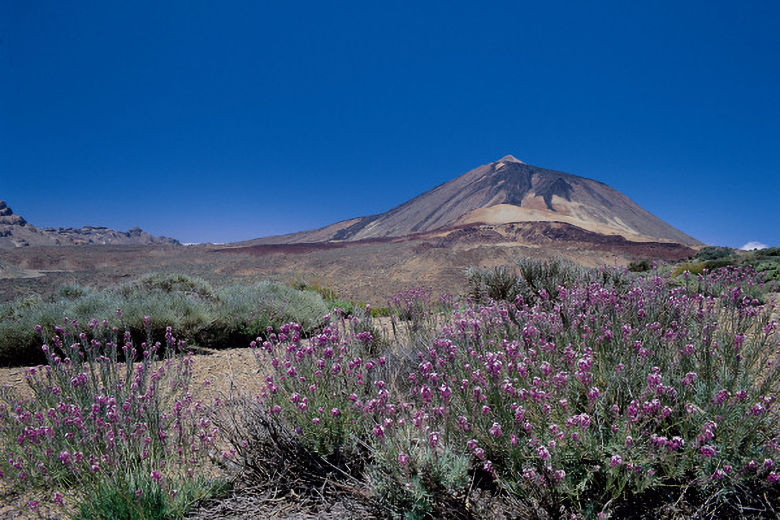
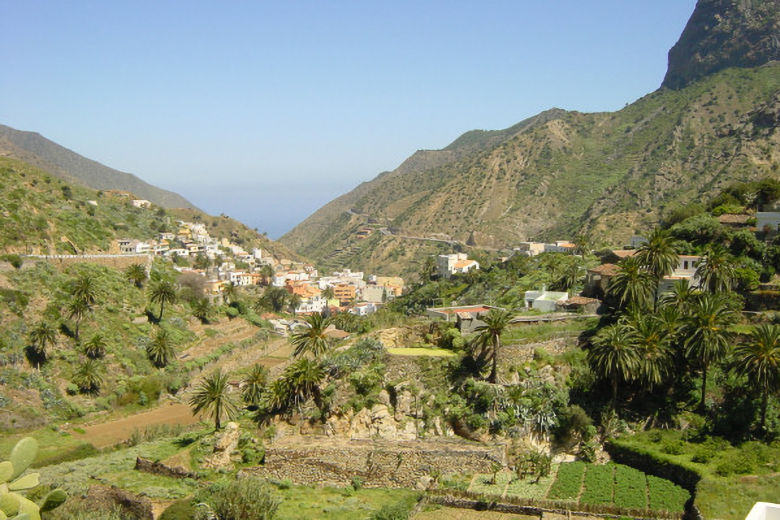
With the southern resorts absorbing the vast bulk of visitors, the island's mountainous interior, and the more verdant and historic north, remain relatively unaffected by tourism, thus offering interesting possibilities for walkers, relaxation seekers and more inquisitive travellers. Situated almost is the centre of the island, the highest peak, Pozo de las Nieves, rises nearly 1,949 metres above sea level, although nearby Roque Nublo, with its massive monolith, is more emblematic. From here, ravines fan out in all directions, some fertile and shaded, others striking in their sun-baked barrenness, and whilst hiking is naturally the most rewarding way to experience the ever-changing landscapes, the less energetic can enjoy a wide range of views from the comfort of their hire car. Those who enjoy pottering around local towns and villages should seek out the historic centres of Agüimes, Telde and Teror, whilst the northern town of Arucas is worthy of a visit not just for its imposing church Iglesia de San Juan Bautista, but also for its charming square Plaza de San Juan, the picturesque pedestrian street Calle León y Castillo, the rum factory (sugar cane cultivation and rum production date back to the 16th century here). The nearby gardens, Jardín de la Marquesa, together with the Jardín Botánico at Tafira Alta between Las Palmas and Santa Brígida display the local flora, whilst sites ranging from the Cueva Pintada museum in Galdar to the extensive open-air "Mundo Aborigen" in the south give insights into the lives of the Guanches, the island's aboriginal people.
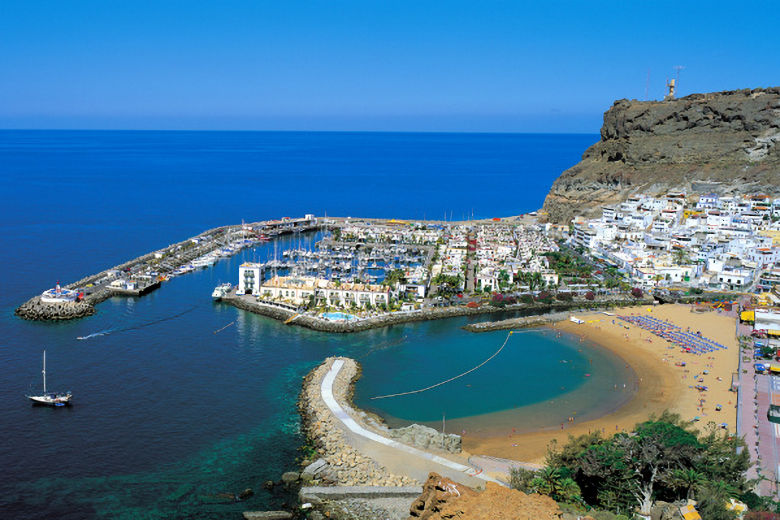
For those preferring the coast but wanting to avoid the main resort areas, Puerto de Mogan is a pleasantly laid-back village in the south-west of the island, with a picturesque marina and a very sheltered sandy beach, whilst Puerto de las Nieves in the north-west remains a traditional fishing village, with several delightfully unpretentious fish restaurants overlooking the volcanic beach and the imposing cliffs of the unspoilt west coast.
Gran Canaria's superb beaches and enviable climate may have made it one of Europe's most popular holiday destinations, but with few holidaymakers venturing beyond the main resorts, many of the island's charms remain surprisingly undiscovered.
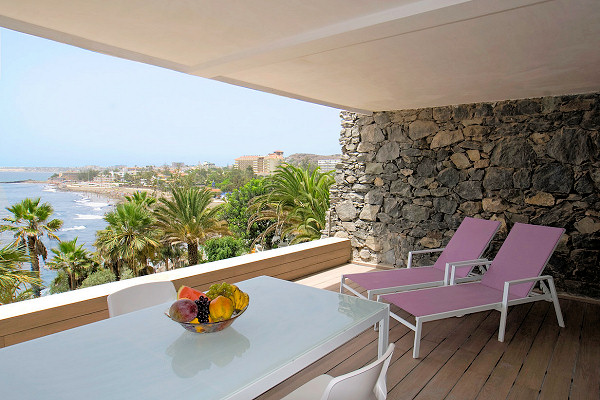
San AgustinFully renovated studios and apartments with panoramic sea views overlooking the beach in the quieter resort of San Agustin
Find out more here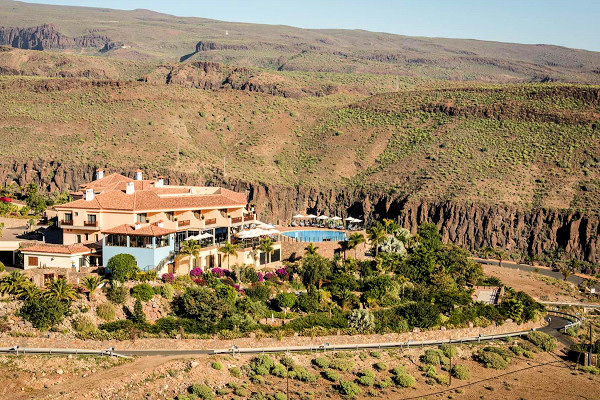
Monte León, near MaspalomasAn intimate and luxurious boutique hotel in a rural setting in the south of the island, offering a range of activities as well as perfect surroundings for pure relaxation, whilst being just a short drive from the sandy beach and dunes of Maspalomas
Find out more here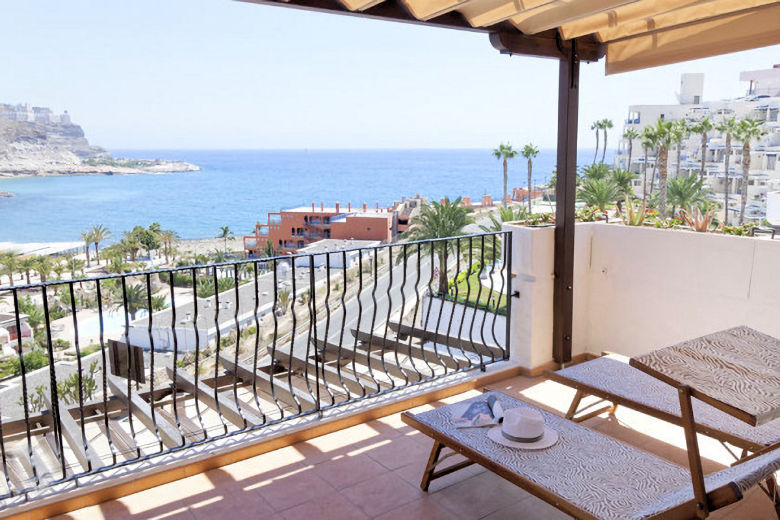
Playa del CuraHigh quality self-catering suites with large, sea-facing terraces in a quiet resort on Gran Canaria's sunny south-west coast, with easy access to the beach and excellent bus links for exploring further afield.
Find out more here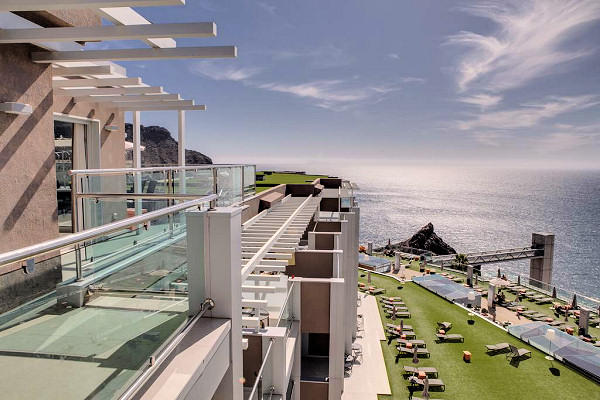
Playa del CuraModern suites in a cliff-side setting with direct lift access to the beach in a small, quiet resort on the south-west coast.
Find out more here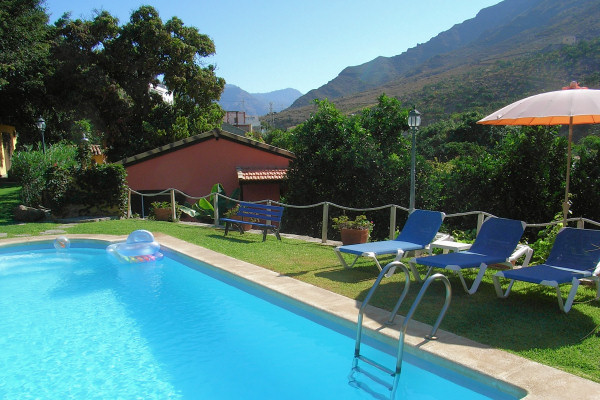
Near Puerto de MoganTwo charming country cottages offering simple accommodation in the picturesque Mogan Valley, just a short drive from the pretty marina and sandy beach of Puerto de Mogan.
Find out more here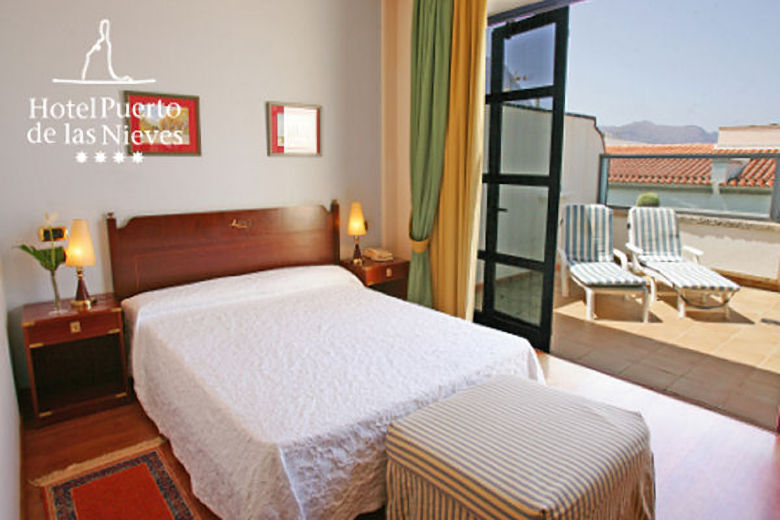
Puerto de las Nieves/AgaeteSet in an authentic fishing village, this small but comfortable hotel offers excellent spa facilities
Find out more here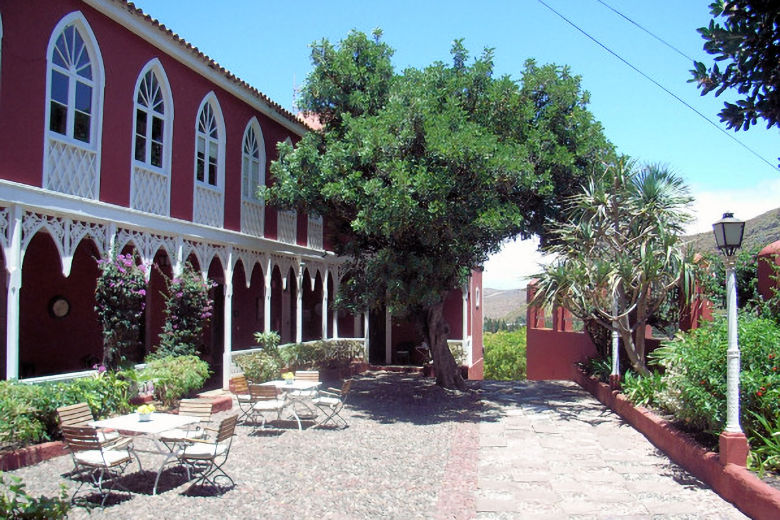
Valle de AgaeteThis beautifully restored old manor house is peacefully situated in the Agaete Valley, just a short drive from the authentic fishing village of Puerto de las Nieves
Find out more here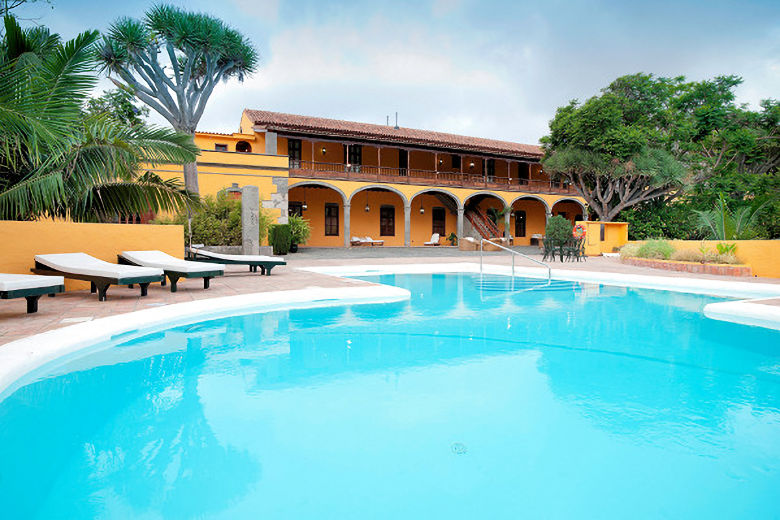
ArucasTucked away in a vast banana plantation, this rural retreat offers stylish accommodation and graceful colonial architecture
Find out more here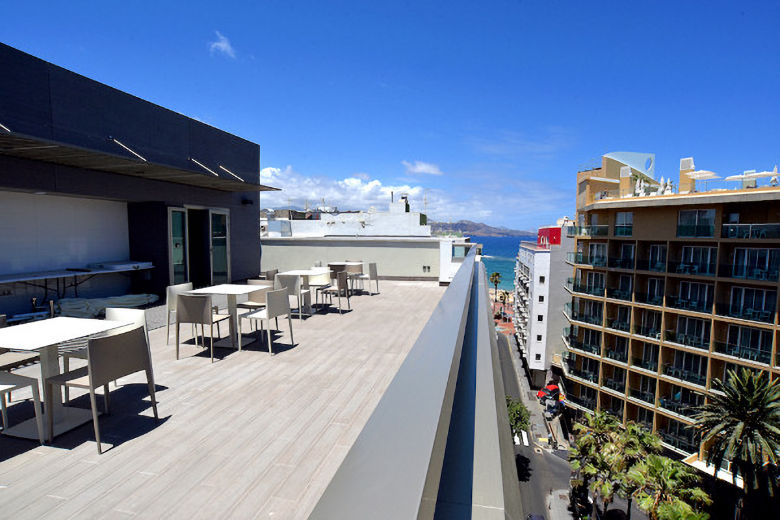
Las PalmasA charming city centre hotel offering modern accommodation just a stone's throw from the beach
Find out more here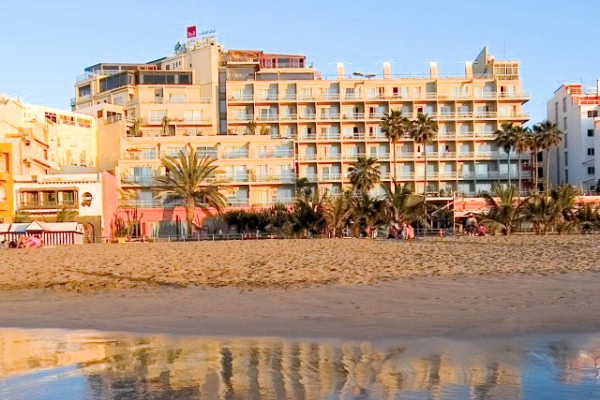
Las PalmasA comfortable four-star hotel with an excellent roof-top spa and pool in a privileged beachfront location in the vibrant island capital Las Palmas.
Find out more here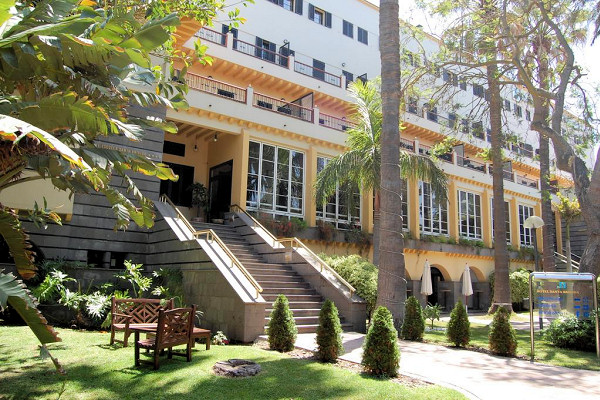
Santa BrigidaThis charming hotel is attached to the island's hotel school and will suit explorers keen to base themselves amongst the local population.
Find out more here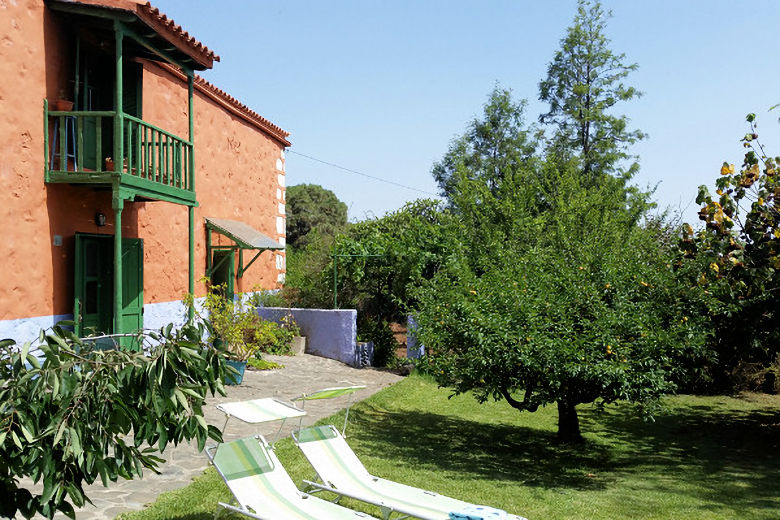
El Madroñal near Santa BrigidaA detached house full of old-world charm in a secluded farmland setting, yet within walking distance of authentic local restaurants.
Find out more here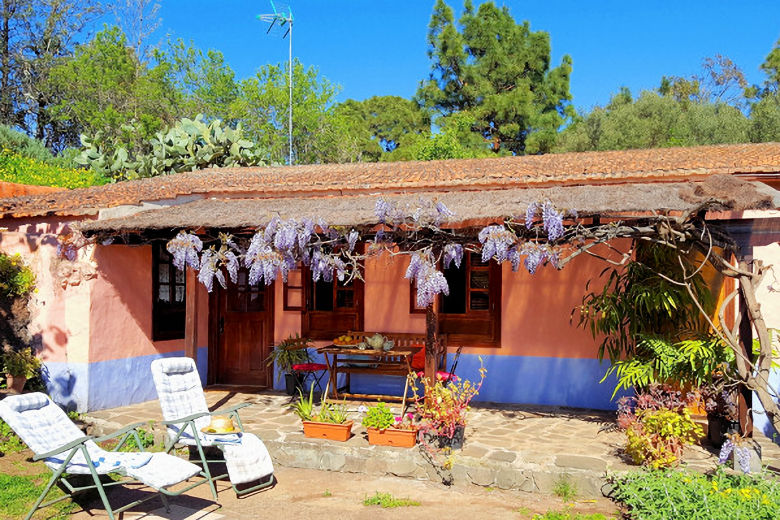
El Madroñal near Santa BrigidaA restored country cottage full of character with its own small pool, set within a large farming estate just outside a small village and well placed for exploring the island's mountainous interior and the bustling capital
Find out more here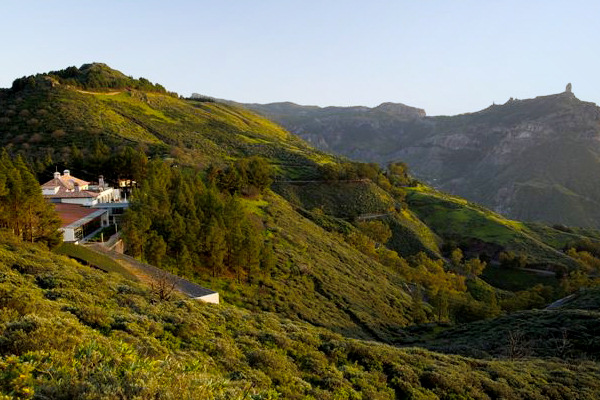
Cruz de TejedaPart of the prestigious Paradores group, this stylish and comfortable hotel is perched high up in the mountains, making it an ideal choice for walkers and nature-lovers
Find out more here