- Email us: info@cachet-travel.co.uk
- Call us: 020 8847 8700
Link: La Palma featured in the Sunday Telegraph - read Tim Pozzi's article here
The greenest island in the Canarian archipelago, La Palma, is a nature-lovers paradise offering breathtaking scenery, lavish vegetation and unadulterated colonial charm.
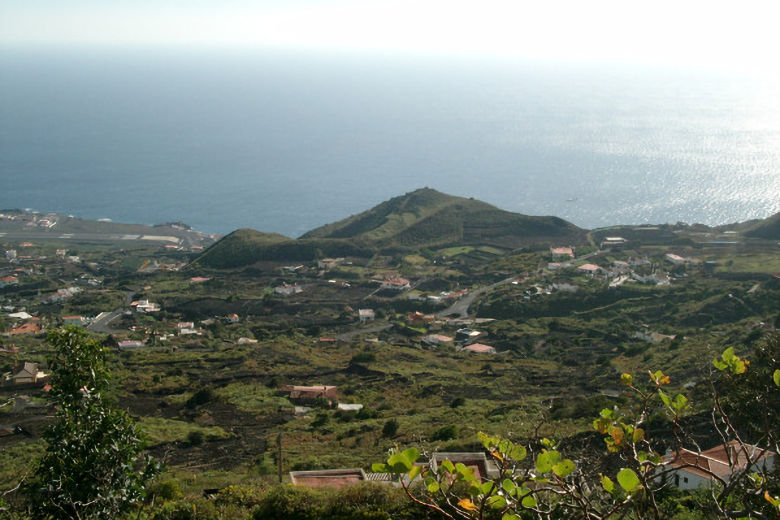
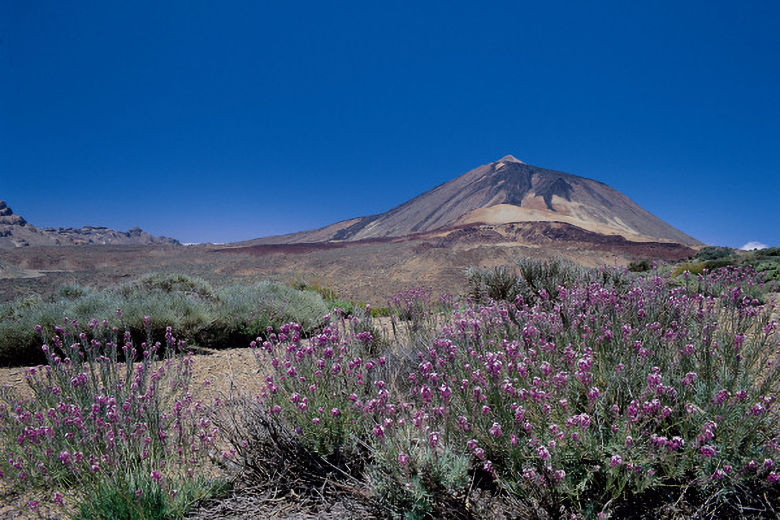
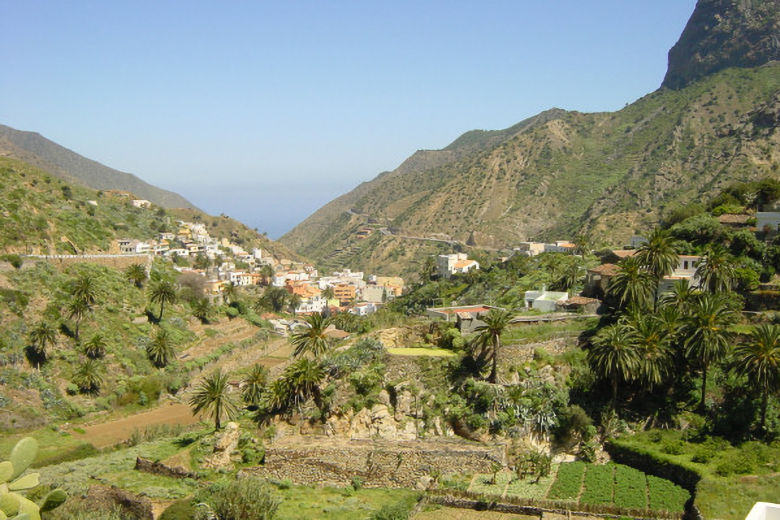
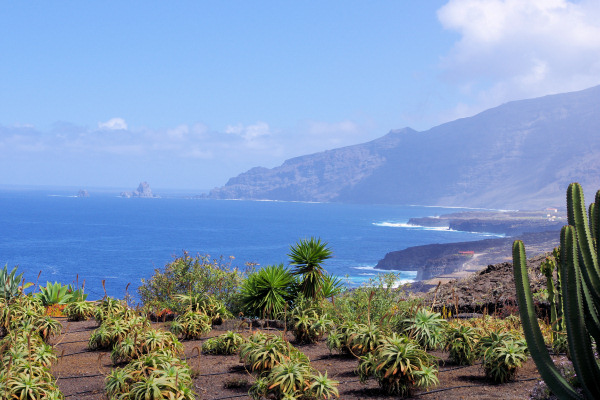
Although one of the smaller Canary Islands, La Palma boasts an astonishing variety of landscapes, with truly majestic mountains, deep ravines and lush valleys. Forests of Canarian pine, laurel, eucalyptus and chestnut cloak the sides of the mountains, giving way lower down to heather and myrtle, and to extensive banana plantations, almond groves, avocado orchards, tobacco fields, meadows of wild flowers, vineyards and tall, slender palm trees.
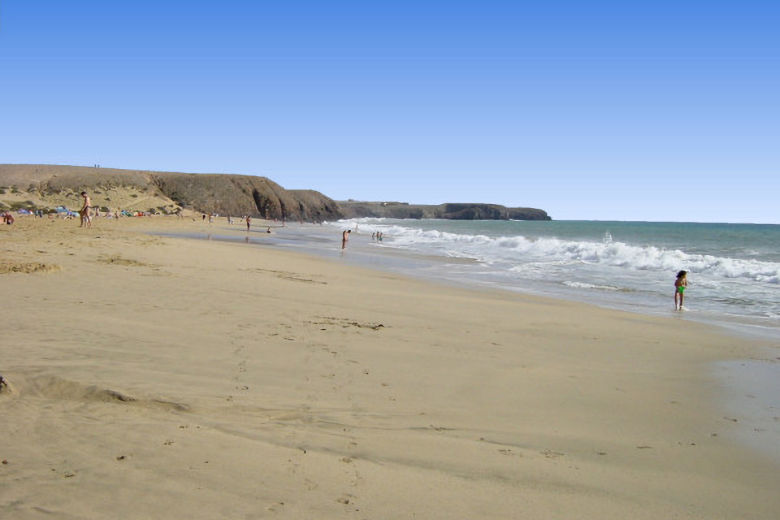
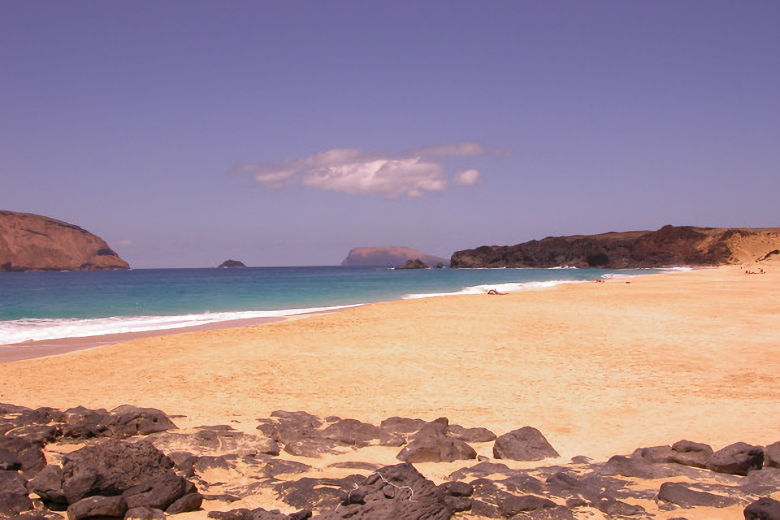
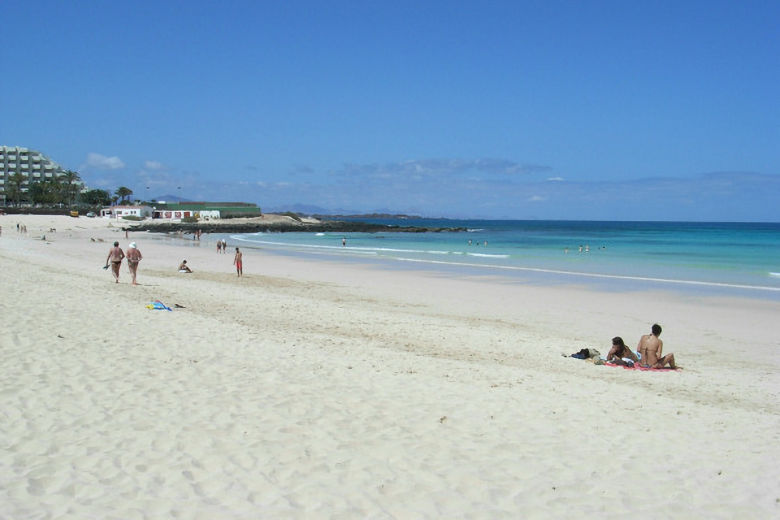
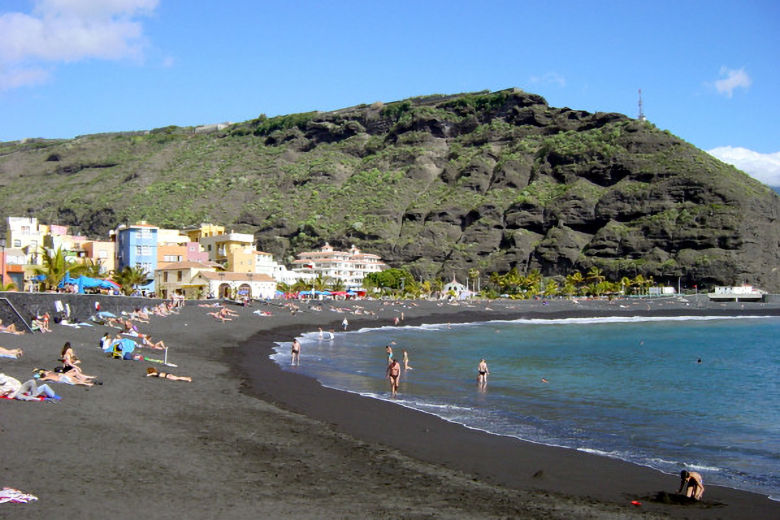
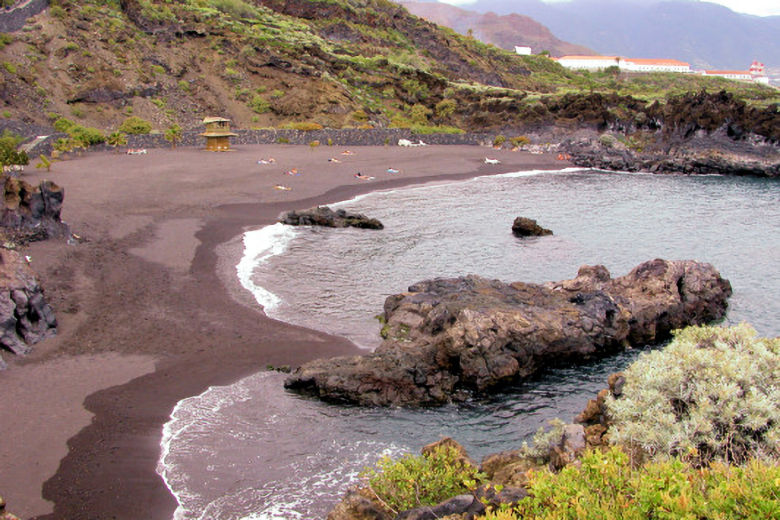
Being so fertile, La Palma has not had to resort to mass tourism for its income, and agriculture continues to be the main economic activity on the island. Still relatively unknown in the UK market, La Palma has gradually started to welcome holidaymakers from Germany, the Netherlands and the Spanish mainland over the last decade or so, but what tourist development there is has been commendably restrained. A handful of hotels have sprung up around the black sand beaches of Puerto Naos and Los Cancajos, but in common with the other western Canary Islands, La Palma is not primarily a beach destination, so most of the accommodation consists of small complexes in rural areas, perfect for those who wish to relax in unspoilt surroundings and explore the island on foot or by car.
La Palma's varied topography and lavish vegetation make the island a true Mecca for walkers, who will find a network of well maintained paths to suit all levels of ability, from relatively gentle strolls to rather challenging but ultimately rewarding hikes. Soaring to a height of 2,426 metres at the Roque de los Muchachos, the Caldera de Taburiente is one of the largest erosion craters in the world, with a diameter of 10km and a depth of up to 1,500 metres. Designated a National Park (one of only ten in the whole of Spain), the Caldera forms the centre of the island's mountainous backbone and begs to be explored on foot. Towards the west, it opens out into the beautiful Aridane Valley, and the deep ravine of Las Angustias, which meets the sea at the colourful harbour of Puerto de Tazacorte, home to another good beach of fine black volcanic sand.
Towards the south, the scenery turns more notably volcanic, with a succession of imposing cones extending the rim of the Caldera towards the island's southern tip at Fuencaliente. Here is the site of the most recent volcanic eruption on Spanish soil, the Volcán de Teneguía, which literally blew its top in 1971 and still emanates palpable heat. A photographic exhibition documents this natural spectacle in the nearby visitor centre.
At the opposite end of the island, the densely forested north coast boasts rugged sea cliffs and spectacular gorges. Another must for anyone with even the faintest interest in botany is the laurisilva forest of Los Tilos in the north west of the island, a UNESCO-protected biosphere of ancient laurels, lime trees, giant ferns and many endemic species, fed by the springs of the Barranco del Agua.
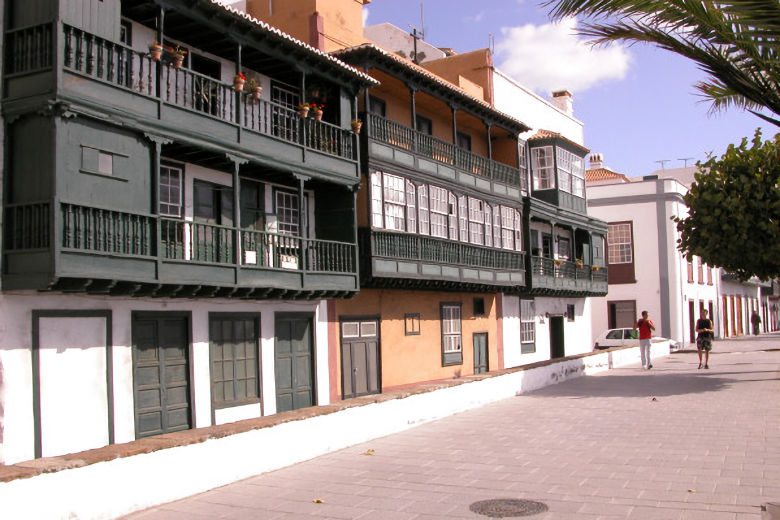
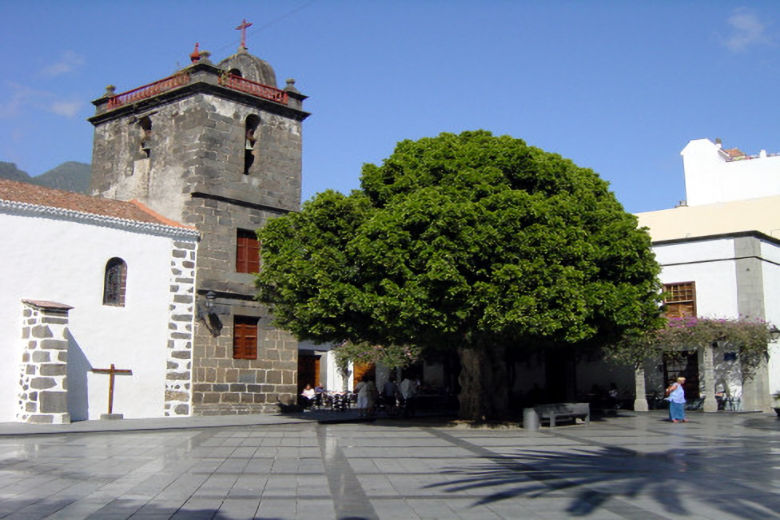
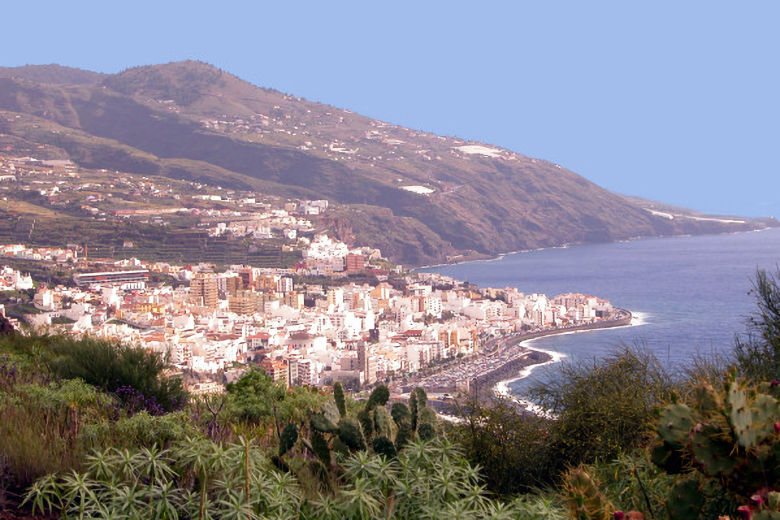
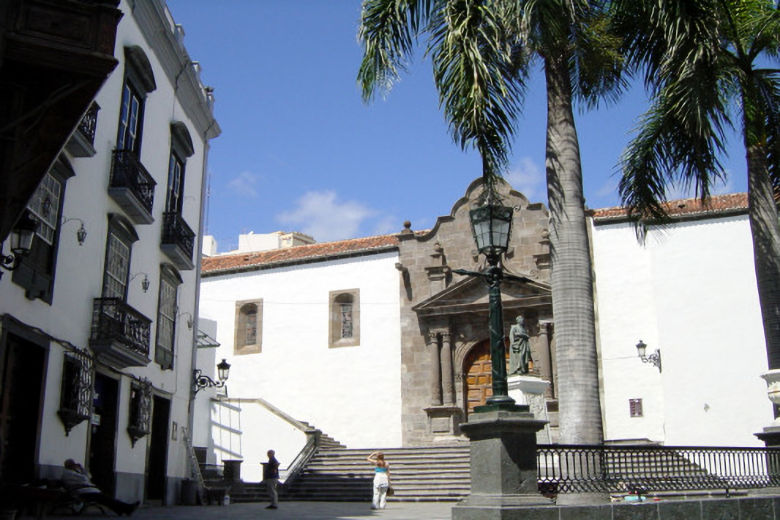
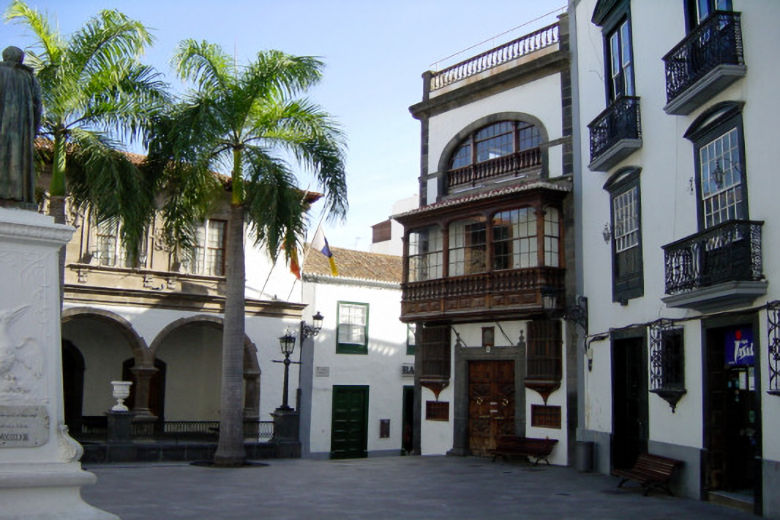
In addition to all this natural beauty, La Palma also enchants visitors with its picturesque towns and villages, all of which retain a delightfully traditional atmosphere, and a surprising number of fine historic buildings. Although the island has become a sleepy provincial backwater these days, during the 16th century it was an economic powerhouse. Thanks to special custom right privileges, the island capital Santa Cruz de La Palma was, together with Cádiz and Antwerp, one of the three most important trading ports in the Spanish Empire, and some of the finest examples of Spanish colonial architecture to be found anywhere in the world continue to bear witness to the wealth enjoyed during the island's golden era. Strolling through Santa Cruz's cobbled streets and resting in the small squares is a pleasure that is made even greater by the distinct feeling that this is still a town that exists primarily for the needs of the local community, rather than having been overly gentrified for any tourists that come to visit.
While Santa Cruz has always been the main port, the main town in the west of the island, Los Llanos de Aridane has been the centre of La Palma's farming industry, and some call it the island's secret capital on the grounds of its comparatively bustling atmosphere. Situated in the Aridane Valley, close to the entrance of the Caldera de Taburiente National Park, the town has become a popular base for walkers, whilst the old town centre around the pretty main square, Plaza de España, is an appealing place for just pottering around.
It would appear that La Palma's authorities have learned from the mistakes made in some other parts of Spain and have succeeded in encouraging only the kind of tourism that can exist in harmony with the island's natural environment and traditional way of life. We therefore recommend the island wholeheartedly to those who appreciate natural beauty, tranquillity and above all, authenticity.
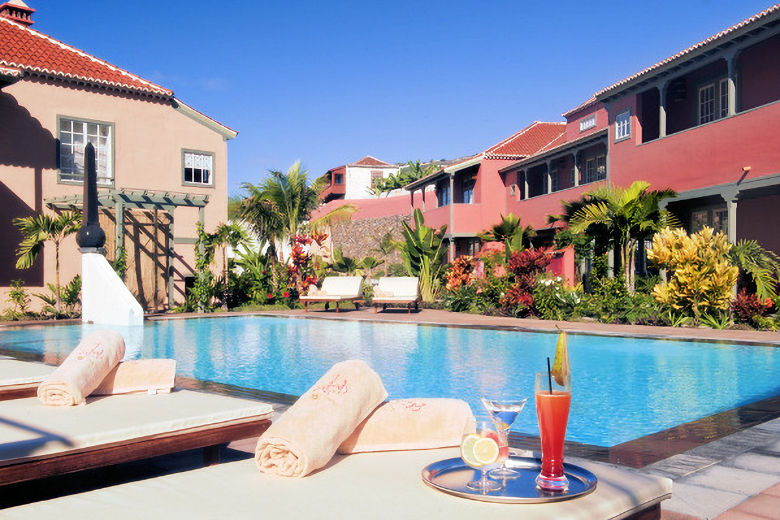
TazacorteCreated from a 17th-century sugar plantation, this small luxury hotel overlooking La Palma's west coast has been furnished with a remarkable collection of antiques and artworks and offers refined service and cuisine in peaceful surroundings.
Find out more here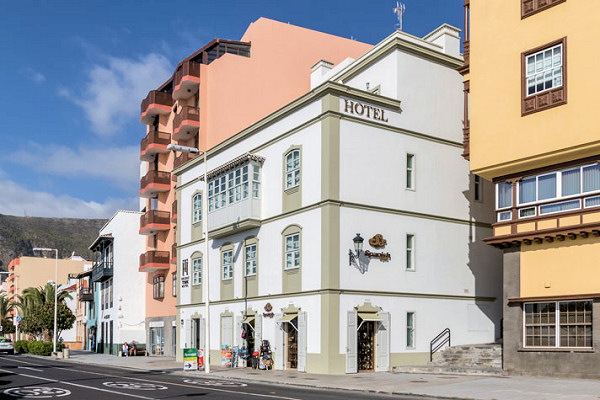
Santa Cruz de La PalmaA charming small hotel in a restored building situated opposite the town beach in the heart of the historic centre of La Palma's capital
Find out more here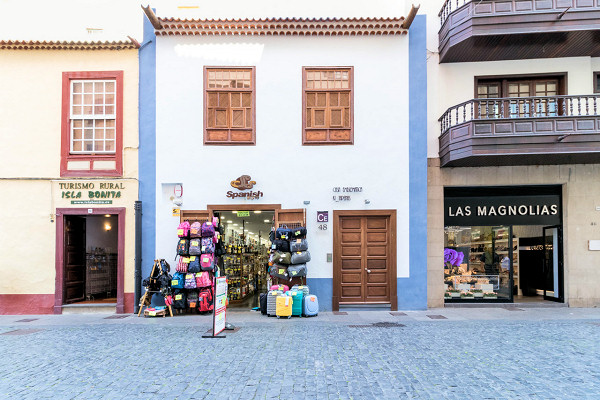
Santa Cruz de La PalmaA traditional townhouse converted into four stylish apartments, situated in a pedestrianised street in the heart of Santa Cruz
Find out more here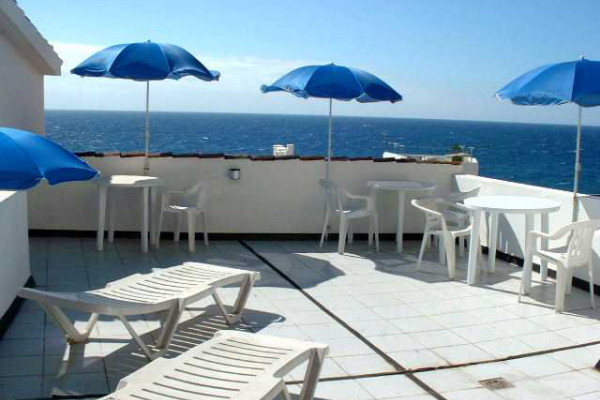
Santa Cruz de La PalmaSituated in the historic centre of Santa Cruz, La Fuente offers simple but charming accommodation and a friendly welcome in authentic surroundings.
Find out more here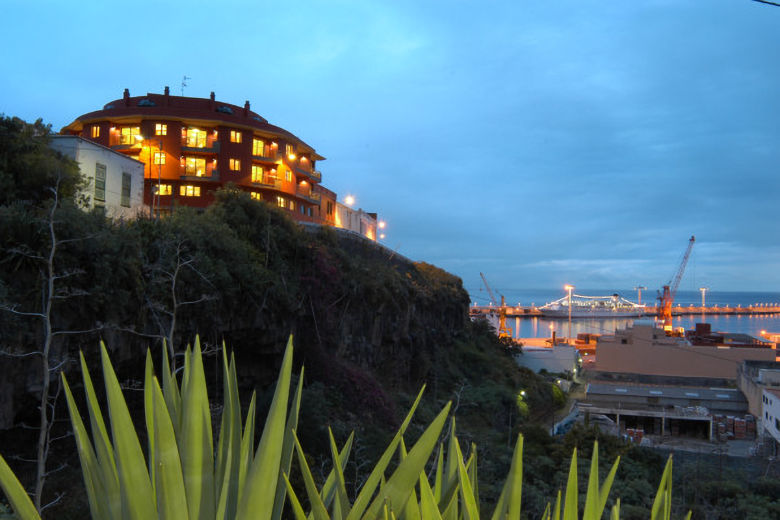
Santa Cruz de la PalmaA small hotel offering comfortable self-catering apartments in the island capital Santa Cruz, ideal for travellers wishing to explore the town and the rest of the island independently
Find out more here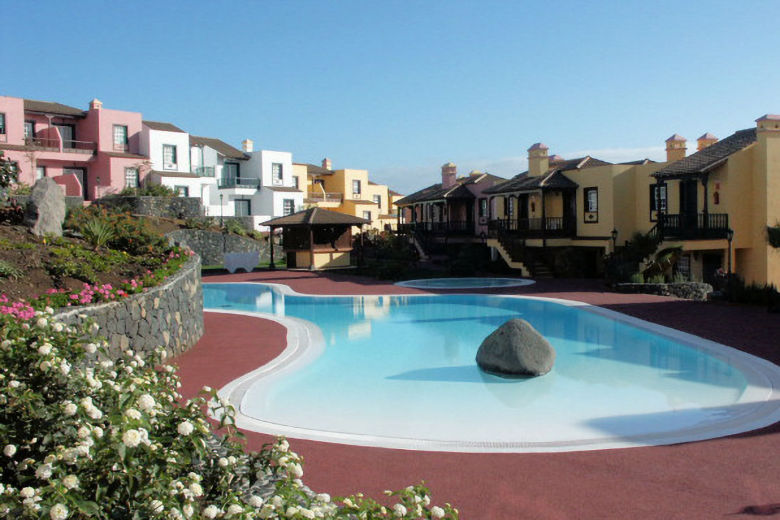
Playa de los CancajosAn attractively-designed complex of holiday apartments conveniently situated near the beach of Los Cancajos and just a short bus ride from Santa Cruz
Find out more here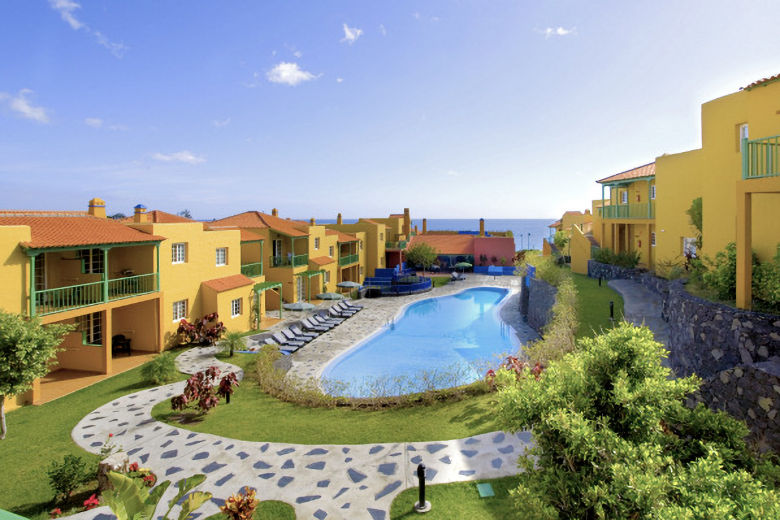
Playa de los CancajosReasonably priced apartments for couples and families close to the sea, with the option of pre-booking breakfast or half board in the on-site restaurant.
Find out more here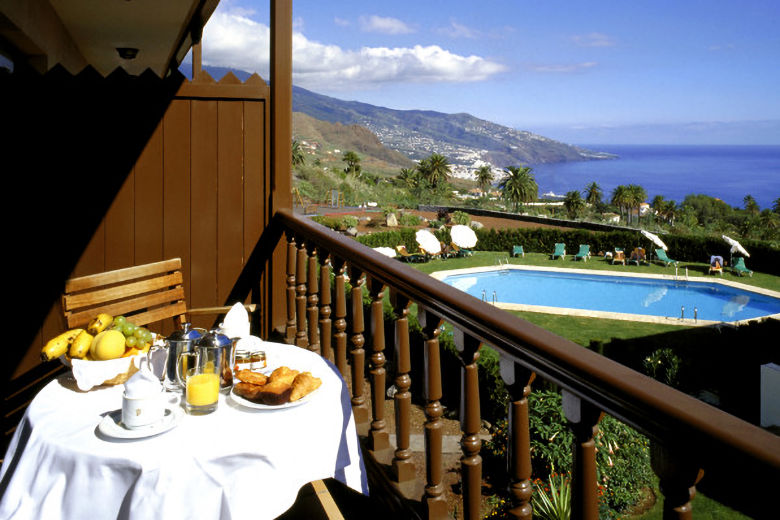
Breña BajaPart of the renowned Paradores group, this stylish and comfortable hotel is in a quiet setting a short drive from the island capital, Santa Cruz
Find out more here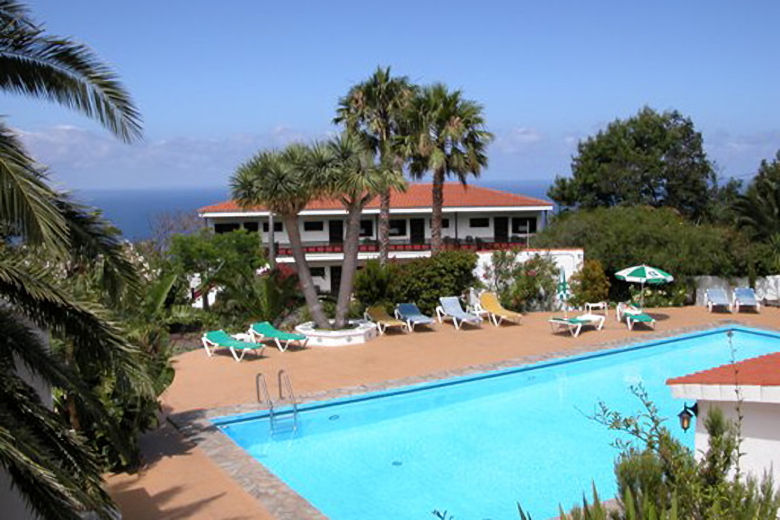
Breña BajaStanding in delightfully mature gardens, these well-kept studios offer panoramic ocean views and easy access by car to the island capital Santa Cruz and the beach of Los Cancajos
Find out more here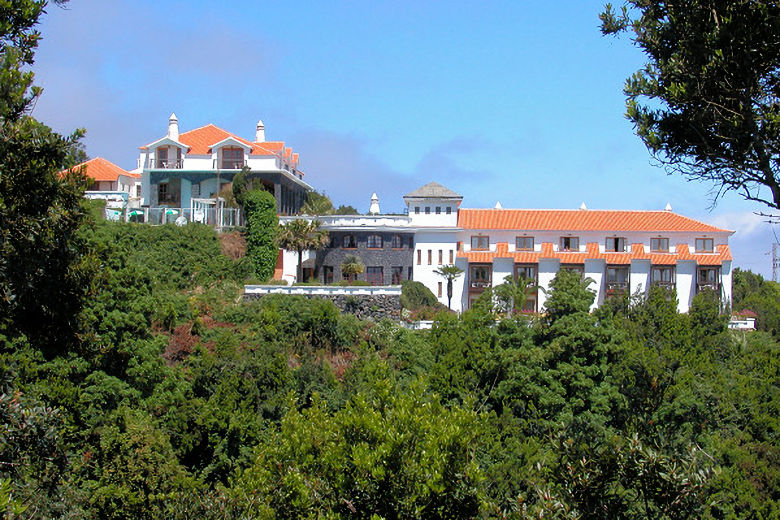
BarloventoA charming country hotel offering friendly personal service in a rural setting ideal for walkers, with an indoor swimming pool and small spa area
Find out more here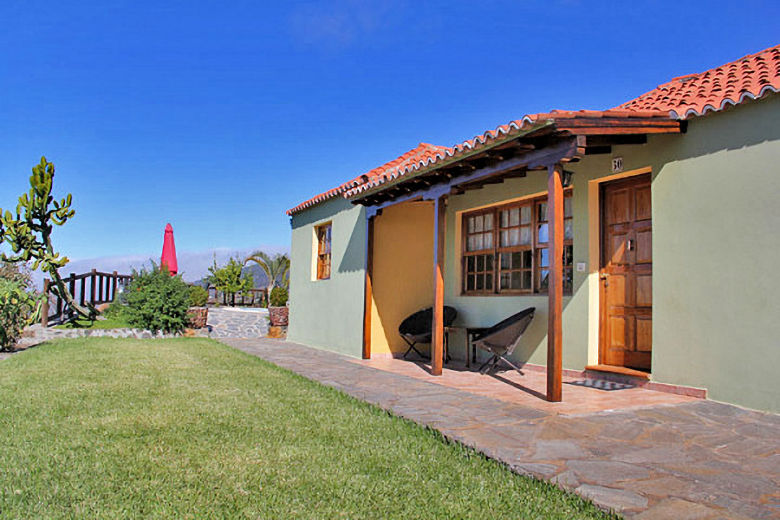
Near TijarafeA pretty house with its own private pool in a rural mountain setting, yet just a 15-minute drive from the seaside village of Puerto de Tazacorte on the island's sunnier west coast
Find out more here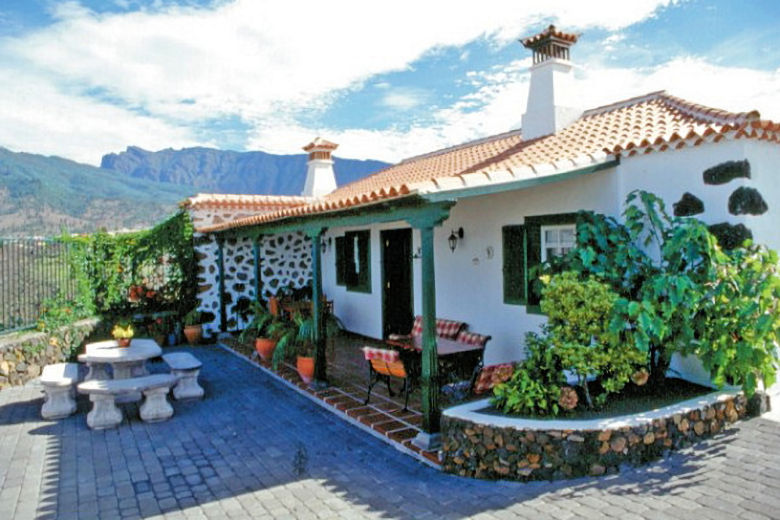
El PasoA traditional house with its own swimming pool standing in a rural yet very central location, ideal for exploring the whole of the island
Find out more here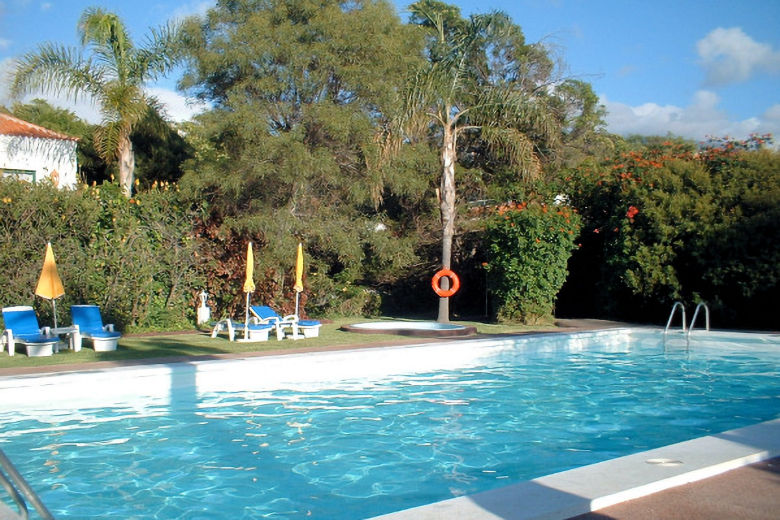
Near Los Llanos de AridaneSpacious and comfortable bungalows set in beautiful gardens in a convenient location close to the town of Los Llanos and the Caldera de Taburiente National Park
Find out more here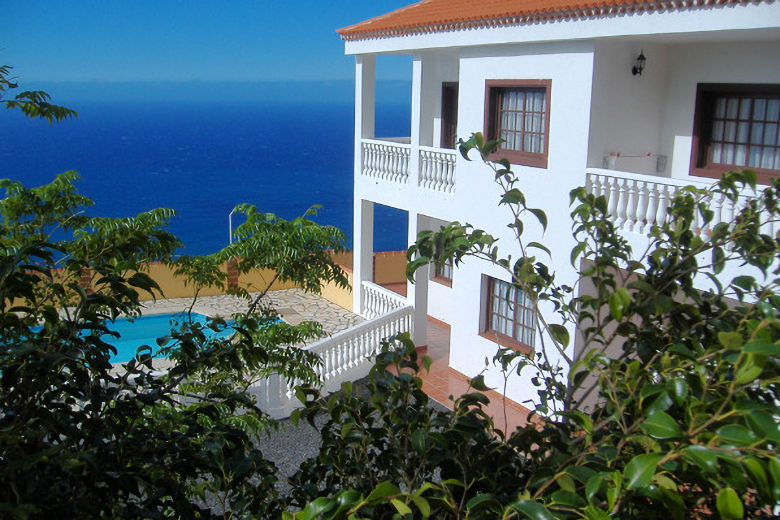
FuencalienteA small block of just four apartments in a quiet hamlet in the south of the island, benefitting from a shared swimming pool and lovely ocean views.
Find out more here